

Type 2 - The Helper
Cancer

Type 2 Cancer (The Helper): Complete Personality Guide

Discover the unique personality of Type 2 Cancer. Explore how The Helper's core motivations blend with Cancer's water energy for insights on strengths, challenges, career, and relationships.

Core Desire
To feel loved and appreciated
Wings
2w1 / 2w3
Element
Water
Growth Direction
→ Type 4

Overview

Type 2 Cancer is the friend who remembers what you said three months ago about your stressful meeting, then texts you the night before like, “Hey, I’m thinking of you—want to talk after?” It’s not just kindness; it’s emotional tracking. This is a combination that gives love the way Cancer protects a home: quietly, constantly, and with a strong “I’ve got you” energy. If you’re an Enneagram 2 Cancer, you don’t just want to help—you want to create safety. You want people to feel held. And deep down, you want to feel chosen.

What makes a Type 2 Cancer different from other Type 2s is how personal the nurturing becomes. Some Twos are social butterflies, charming crowds and collecting connections. But Enneagram 2 Cancer tends to bond in a more intimate, loyal way. You’re not interested in being liked by everyone; you want to matter to your people. You’re tenacious about relationships, and you’ll show up again and again—even when you’re tired—because the idea of someone feeling alone hits your core like a punch. Your core fear (being unwanted or unworthy of love) doesn’t always look dramatic on the outside. Often, it hides behind caretaking, remembering, anticipating, and quietly “staying useful.”

Cancer is ruled by the Moon, and that lunar energy makes your emotions cyclical. Some days you’re overflowing with warmth and empathy. Other days you’re protective, withdrawn, or a little prickly—especially if you sense you’re being taken for granted. That’s a key signature of the Type 2 Cancer: you can be incredibly tender, and incredibly guarded, sometimes within the same hour. You might not say you need reassurance, but you feel it. You may not announce you’re hurt, but you remember it. Your sensitivity is a superpower—until it becomes a burden you carry alone.

Enneagram Type 2 already tends to focus outward—“How can I support you? What do you need?” Cancer adds a deep instinct to nurture the emotional body, not just the practical one. So you don’t only bring soup when someone’s sick. You bring the soup and sit quietly in the room and make them feel safe enough to cry. You notice tone shifts. You sense the unspoken. You take on other people’s moods like weather in your own chest.

The heart of the Enneagram 2 Cancer is a beautiful desire: to be loved and appreciated for who you are. But because you’re so good at giving, life can accidentally train you to believe love must be earned through usefulness. This guide is here to help you keep your gift—your loyalty, your tenderness, your devotion—without losing yourself. Because the healthiest Type 2 Cancer isn’t just needed. They’re cherished. And they know how to let that in.
Ready to Discover Your Complete Profile?

Join 10,000+ people who've unlocked their full personality insights. Your chart is free forever.

Get Your Free Chart

Core Personality

Enneagram 2 Cancer is where “helper” meets “home.” Your personality blends the Type 2 drive to be loved and needed with Cancer’s instinct to protect, bond, and emotionally invest. You often show love through consistent care: checking in, remembering details, anticipating needs, and creating a sense of belonging. But because your giving is so emotionally infused, it can feel extra painful when it’s not noticed.

The emotional radar: how you *sense* people

As a Type 2 Cancer, you’re rarely guessing how someone feels—you’re reading it. Cancer’s water energy makes you receptive, and Type 2 motivation makes you attentive. You might notice the pause before someone answers, the forced laugh, the way they stop making eye contact. Your mind instantly goes, “Are they okay? Did I do something? Do they need me?”

This radar is one reason Enneagram 2 Cancer people are so comforting. You respond to what’s underneath the words. If a friend says, “I’m fine,” you hear, “I don’t want to be a burden,” and you make space anyway. But the same skill can turn inward in a painful way: you can also detect distance, boredom, or annoyance—even when it’s not about you—and your core fear kicks in fast: “I’m unwanted.”

A big growth point is learning to reality-check your radar. Your intuition is often right, but it’s not always complete. Sometimes people are quiet because they’re tired, not because they’re pulling away.

Love as a language of caretaking

Type 2 Cancer love is rarely casual. You show up with devotion. You might be the person who keeps family traditions alive, remembers birthdays, saves the photo, makes the meal, and texts after a hard day. Your care often has a “mothering” tone—even if you’re not a parent. You want others to feel emotionally fed.

Because your core desire is to feel loved and appreciated, you tend to offer the kind of love you want back: attention, loyalty, reassurance, warmth. The tricky part is that you may not ask for those things directly. You might hope people will “just know.” Cancer is famous for indirectness when it feels vulnerable, and Type 2 is famous for focusing on others instead of admitting needs. Put them together and you can end up silently longing for reciprocity.

A practical reframe for the Enneagram 2 Cancer is: “My needs don’t make me needy. They make me human.”

Wings: 2w1 vs 2w3 in a Cancer flavor

Both wings show up in Type 2 Cancer, but they shape the style of giving.

If you’re a 2w1 (the Servant), your Cancer nurturing can look like duty plus devotion. You help because it’s “the right thing,” and you might hold yourself to high standards: being patient, being kind, being emotionally available. You may feel guilty when you can’t show up. Cancer’s loyalty makes this wing especially steadfast—sometimes to the point of over-responsibility. You might stay in a role (caretaker, mediator, family “glue”) long after it drains you because you feel morally obligated.

If you’re a 2w3 (the Host/Charmer), your Cancer warmth becomes magnetic. You’re still private in some ways, but you can be very socially skilled—especially when you feel safe. You might curate comfort: hosting, creating cozy spaces, bringing people together. There’s often a desire to be valued and admired for your care. The shadow can be performing helpfulness to secure love—then feeling hurt when people don’t recognize your effort.

Both wings share the same core: “If I’m loving enough, I’ll be loved.” The difference is whether love is “earned” through goodness (2w1) or through being indispensable and appealing (2w3).

The push-pull: closeness, then protection

Cancer’s protective shell is real for the Enneagram 2 Cancer. You want closeness, but you also fear rejection. So you may do a dance:

  • You open your heart and give generously.
  • You sense a shift (or imagine one).
  • You pull back, get quiet, or become a little controlling.

This can confuse people because your love is so warm until it suddenly isn’t. But it makes sense: when the core fear (unwanted, unloved) gets triggered, you protect yourself. You might test people: “Will they notice I’m upset? Will they chase me? Will they prove I matter?”

The healthier move is to name what’s happening kindly and directly: “I’m feeling a little insecure and could use reassurance.” That honesty is scary, but it’s also the shortest path to the closeness you want.

Arrows: stress to 8, growth to 4—through a Cancer lens

When the Enneagram 2 Cancer is stressed, you can move toward Type 8 behavior. Instead of soft helping, it becomes forceful caretaking: “I know what you need—do it this way.” You may become more blunt, reactive, or territorial about relationships. If you feel unappreciated, you might snap or issue ultimatums. This isn’t you “turning bad.” It’s you trying to regain safety by taking control.

In growth, you move toward Type 4. For a Type 2 Cancer, that’s powerful because Cancer already lives in emotional depth. Growth to 4 means you stop outsourcing your worth. You turn inward and ask, “What do *I* feel? What do *I* want? What’s my identity beyond being needed?” You begin to value authenticity over approval. You let your own inner life matter.

A grounded summary: Enneagram 2 Cancer is love that wants to be a shelter. When you learn to shelter yourself too, you become unstoppable—in the quiet, steady, lunar way that’s uniquely you.

Strengths

Type 2 Cancer has a softness that’s not fragile—it’s devoted. Your strengths aren’t just “being nice.” They’re relational skills, emotional courage, and steady loyalty that can make people feel safe enough to become more themselves.

1) Loyal, long-haul love

As an Enneagram 2 Cancer, you don’t bond lightly. When you love someone, you remember them in your body—your routines, your plans, your priorities. You’ll be the one who shows up after the breakup, during the family crisis, or in the boring middle parts of life when others drift.

This loyalty is especially healing for people who’ve felt unstable support. You create a sense of “I’m not going anywhere,” which can be deeply grounding.

2) Emotional caretaking that actually lands

Lots of people *say* they care. Type 2 Cancer tends to care in a way that’s specific. You don’t just offer generic encouragement; you offer the right thing. You might bring someone their favorite snack without asking, or word a message in exactly the tone they need.

Because Cancer is ruled by the Moon, you’re tuned to emotional timing. You often know when someone is ready to talk, when they need distraction, and when they need silence with company.

3) Creating “home” wherever you are

One of the most unique gifts of the Type 2 Cancer is atmosphere. You can turn an ordinary space into a safe one. That might look like hosting, cozy rituals, thoughtful touches, or simply your presence making people exhale.

In groups, you naturally notice who’s left out, who’s overwhelmed, who needs a check-in. You don’t just help individuals—you help the whole environment feel kinder.

4) Memory for people’s stories

Enneagram 2 Cancer often has an emotional memory that’s almost photographic. You remember what someone said mattered to them. You remember their “first day,” their hard season, their win they didn’t celebrate.

Used well, this makes you an incredible friend, partner, mentor, or community builder. People feel seen around you—and being seen is a kind of love.

5) Protective advocacy

Cancer has a protective streak, and Type 2 has a nurturing one. Together, you can become a fierce advocate for people you love. You’ll speak up for the quieter person, defend someone being misunderstood, or step in when a situation feels unsafe.

This is especially powerful when you advocate without overstepping—asking first, then supporting with strength.

6) Tender leadership

Type 2 Cancer can lead in a way that feels human. You’re often the person who checks morale, notices burnout, and makes sure people don’t feel disposable. You lead with relationship, not ego.

In teams, your leadership looks like: “How are we doing—really?” That emotional intelligence keeps groups stable.

7) Deep empathy without cynicism

Some empathic people become jaded. A healthier Enneagram 2 Cancer often keeps a gentle faith in people. Even if you’ve been hurt, you still want to believe love matters.

That hope can be contagious. You remind others that softness isn’t weakness—it’s a choice.

8) Tenacity in care

Cancer is tenacious, and Type 2 is persistent when it comes to relationships. You don’t give up on people easily. You’ll try different approaches, wait things out, and keep a warm light on.

This can be a gift in healing work, long-term partnerships, parenting, and community roles—anywhere patience matters.

9) Intuitive timing and emotional rhythm

The Moon’s influence shows up as rhythm. You often sense when to push and when to pause. You know when a conversation needs depth and when it needs humor.

This strength makes you great at pacing emotional moments—helping others not feel overwhelmed.

10) A natural talent for meaningful rituals

Type 2 Cancer often shines through rituals: birthdays, anniversaries, seasonal traditions, grief rituals, celebrations, “welcome home” moments. You mark what matters.

Ritual is a love language for you. It’s how you say, “You belong here.”

Challenges & Growth Areas

Type 2 Cancer has a big heart—but a big heart can get bruised if it doesn’t have boundaries. These challenges usually come from the same place: the core fear of being unwanted, and the strategy of earning love through caretaking.

1) Overgiving until you feel resentful

You might say yes when you mean no, then feel hurt that nobody notices how much you’re doing. Cancer’s loyalty makes you stay, and Type 2 pride can make it hard to admit you need help.

Growth move: practice “clean giving.” Before you help, ask: “Can I do this with an open heart and no scoreboard?” If not, renegotiate.

2) Indirect needs and silent testing

Enneagram 2 Cancer often hopes people will intuit your needs the way you intuit theirs. When they don’t, you might withdraw, get moody, or test them: “If they loved me, they’d know.”

Growth move: name needs early and kindly. Try: “I’m feeling tender today—could you check in with me later?”

3) Possessiveness and emotional territoriality

Cancer bonds deeply, and Type 2 can attach to being “the one” who supports someone. If a friend gets close to someone else, you may feel replaced.

This links directly to the core fear: “If I’m not needed, I’m not loved.”

Growth move: diversify your sources of meaning—your hobbies, friendships, creative life. Love gets healthier when it’s not your only identity.

4) Taking responsibility for others’ feelings

You may feel like it’s your job to keep everyone okay. If someone is upset, you assume you caused it or should fix it.

Stress can push you toward Type 8: you might become controlling, telling people what they should do “for their own good.”

Growth move: separate support from responsibility. A helpful phrase: “I can care without carrying.”

5) Boundary guilt

Type 2 Cancer often feels guilty when setting limits, especially with family or long-term friends. Cancer’s loyalty says, “Don’t abandon them.” Type 2 says, “Be good.”

Growth move: reframe boundaries as love. “My boundary protects my ability to stay kind.”

6) Mood-driven communication

Because Cancer is lunar, your emotional state can change quickly. You might communicate warmly one day and coldly the next, without explaining why.

Growth move: narrate your inner weather. “I’m feeling overwhelmed and need a quieter night. I love you—I’m just low energy.”

7) The stress arrow to 8: snapping, controlling, or hardening

When an Enneagram 2 Cancer feels unappreciated or taken for granted, the softness can flip into steel. You might confront sharply, become suspicious, or try to regain security by taking charge.

Growth move: catch the moment before the snap. Ask: “What am I actually needing—reassurance, rest, respect?” Request that directly.

8) Losing yourself in the helper role

You can become so identified with being needed that you forget your own preferences, dreams, and voice.

This is where growth to Type 4 matters: reclaiming your inner life.

Growth move: weekly identity check-in—“What do I want this week that isn’t about anyone else?”

Career & Work

For a Type 2 Cancer, work isn’t just work—it’s emotional meaning. You tend to thrive where you can build trust over time, care for people in a real way, and feel like your presence makes life gentler. You’re often best in roles that reward empathy, consistency, and relationship-building.

Ideal work environments for a Type 2 Cancer

You usually do best in environments that feel:

  • Relational (you know people, not just tasks)
  • Stable (clear expectations, steady rhythm)
  • Mission-driven (helping, healing, supporting)
  • Human-centered (people matter more than performance theater)

You can handle pressure, but you don’t thrive in cold competition. If the culture is cutthroat or emotionally dismissive, the Enneagram 2 Cancer may overwork to earn approval—then burn out.

Best job titles (15+) and why they fit

Here are careers that often align with Enneagram 2 Cancer strengths—empathy, loyalty, emotional intelligence, and protective care:

  1. Therapist / Counselor — your warmth helps people feel safe sharing.
  2. School Counselor — steady support for kids and families.
  3. Social Worker — advocacy plus heart, especially in long-term cases.
  4. Nurse — practical care plus emotional comfort.
  5. Pediatric Nurse — Cancer’s nurturing shines with children.
  6. Doula / Midwife Assistant — protective, intimate support in major life transitions.
  7. Occupational Therapy Assistant — patient, encouraging, progress-focused.
  8. Speech-Language Pathology Assistant — supportive coaching with real connection.
  9. Teacher (especially elementary or special education) — nurturing structure and emotional attunement.
  10. Nonprofit Program Coordinator — relationship management and mission work.
  11. Community Outreach Coordinator — you build trust in communities.
  12. HR People Ops (employee support-focused) — onboarding, care systems, conflict support.
  13. Client Success Manager — you remember details and build loyalty.
  14. Customer Experience Specialist — empathy and patience turn complaints into trust.
  15. Event Planner (especially intimate events) — creating “home” experiences.
  16. Wedding Planner — emotional steadiness + detail memory.
  17. Hospice Volunteer/Coordinator — gentle presence in grief and transition.
  18. Nutrition Coach (non-shaming, supportive style) — steady encouragement.
  19. Interior Decorator (comfort-focused) — Cancer’s “home” instinct becomes a craft.
  20. Librarian / Youth Services Librarian — quiet support, community space-building.

The common thread: these roles reward your ability to make people feel safe and cared for.

Industries that tend to fit

Type 2 Cancer often thrives in:

  • Healthcare and wellness (clinics, hospitals, holistic practices)
  • Education (schools, tutoring centers, student services)
  • Nonprofits and community organizations
  • Hospitality (especially values-based, human-centered workplaces)
  • Human resources / people operations
  • Child and family services

Cancer’s imaginative streak also means you can do well in creative industries if the work still feels emotionally meaningful—like memoir editing, community arts programs, or storytelling-based marketing.

Work style: how you naturally operate

An Enneagram 2 Cancer often works best when you can:

  • Build relationships over time (you’re not a “quick transaction” person)
  • Have clear ways to measure impact (you want to know you helped)
  • Work with a steady routine (your mood stabilizes with rhythm)
  • Be trusted with sensitive information (people confide in you)

You’re usually the coworker who remembers birthdays, notices when someone’s off, and quietly brings kindness into the culture.

What to avoid (or approach carefully)

Some environments can pull the Type 2 Cancer into unhealthy patterns:

  • High-competition sales cultures that reward charm over authenticity
  • 24/7 crisis roles with no recovery time (burnout risk)
  • Workplaces with unclear boundaries where you become the emotional dumping ground
  • Bosses who praise self-sacrifice instead of sustainable performance

If you’re in a demanding helping profession, you’ll need deliberate recovery rituals. Otherwise, you may slide into stress-arrow 8: irritability, control, and emotional hardening.

Career growth tips tailored to Enneagram 2 Cancer

To build a career that loves you back:

  • Track your workload like you track others’ feelings. If you’re consistently exhausted, something’s off.
  • Ask for raises, promotions, and credit. Being humble doesn’t mean being invisible.
  • Build a reputation for a *skill*, not just kindness—like project management, counseling techniques, curriculum design, or patient education.
  • Choose roles where care is valued structurally (reasonable caseloads, supportive supervisors).

When the Enneagram 2 Cancer is in the right career, you don’t just succeed—you create safety, loyalty, and emotional trust wherever you go.

Relationships

Type 2 Cancer relationships are tender, loyal, and emotionally rich. You love in a way that says, “I’m here, I’m invested, I’m not leaving.” At your best, you’re deeply supportive without trying to control the outcome. At your worst, you can overgive, then feel unseen.

Romantic love: devotion, reassurance, and the need to feel chosen

As an Enneagram 2 Cancer, you’re often a deeply affectionate partner. You might express love through cooking, caretaking, thoughtful texts, and remembering details. You want emotional closeness—not just chemistry.

Your challenge is that you may equate love with constant connection. If a partner needs space, you might feel rejected. That’s the core fear talking.

A healthy practice: ask for reassurance directly instead of fishing for it. “Can you tell me we’re okay? I’m feeling a little insecure.”

Attachment patterns: the push-pull of vulnerability

Cancer’s shell can make you cautious, even if you’re affectionate. You may test trust before fully opening. If you sense judgment, you might retreat.

When you feel safe, you’re incredibly nurturing. When you don’t, you can become quiet, moody, or controlling (stress-arrow 8 energy).

The growth move is clarity: say what you feel sooner, before it becomes resentment.

Friendships: the loyal friend who remembers everything

Enneagram 2 Cancer friendships tend to be long-lasting. You’re often the “emotional home base” friend—the one people call when life falls apart.

But you also need friendships where the care goes both ways. If you’re always the listener, you may start feeling invisible.

Try choosing at least one friendship where you practice receiving—letting them help you, even if it feels awkward.

Family dynamics: being the glue (and the risk of over-responsibility)

Many Type 2 Cancer people become the family emotional manager: planning, smoothing conflict, remembering traditions, checking on everyone.

If your family relies on you, it can be hard to step back without guilt. But growth means you stop confusing responsibility with love.

A boundary script: “I love you, and I can’t be the go-between anymore. I trust you to talk to each other directly.”

Communication style: gentle, indirect, and deeply feeling

You may hint rather than ask. You may soften your needs so much that they disappear. This is where Enneagram 2 Cancer can struggle—because you’re so good at reading others, you assume they can read you.

Practice “warm directness”: caring tone + clear request.

  • “I’d really love more quality time this week. Can we plan a date night?”
  • “When you don’t respond, I start to worry. Can we talk about texting expectations?”

Compatibility notes (Enneagram-focused)

Compatibility depends on health level, not just type, but here are common patterns:

  • With Type 6: mutual loyalty and protection; watch anxiety spirals.
  • With Type 9: cozy, peaceful bond; watch unspoken resentment.
  • With Type 1: shared devotion and values; watch self-criticism and “shoulds.”
  • With Type 4: deep emotional intimacy; watch mood matching and sensitivity.
  • With Type 8: strong chemistry and protection; watch power struggles when you’re stressed.

Your growth arrow to Type 4 helps relationships most when you stop performing love and start expressing your real inner world—needs, desires, disappointments, dreams. The healthiest Type 2 Cancer is not just caring. You’re honest.

See How You Connect With Others

Create your free personality chart and unlock compatibility insights with anyone.

Get Your Free Chart

Personal Growth

Growth for a Type 2 Cancer isn’t about becoming less loving. It’s about becoming equally loving to yourself—so your giving comes from fullness, not fear. Your Enneagram growth arrow points to Type 4: authenticity, emotional honesty, identity, and self-connection.

1) Move from “being needed” to “being known” (Type 4 integration)

A core shift for the Enneagram 2 Cancer is letting love be about *who you are*, not what you provide. Type 4 growth asks: “What’s true for me?”

Practices:

  1. Name your feeling before you act. Pause and say: “I feel anxious/lonely/hopeful.”
  2. Ask: What do I want? Not what they want—what you want.
  3. Share one honest truth per week with someone safe (a real preference, a real fear, a real dream).

2) Build boundaries that don’t require anger

Many Type 2 Cancer people wait until they’re hurt, then snap (stress to 8). The goal is earlier boundaries, delivered gently.

Practices:

  1. The 24-hour rule: If you feel resentment, address it within a day.
  2. The “warm no”: “I wish I could, but I can’t.” No long apology.
  3. Limit emotional labor: Before deep talks, ask, “Do you have the bandwidth for this?” and also ask yourself.

3) Heal the belief that love must be earned

Your core fear—being unwanted—can create a quiet hustle for affection.

Practices:

  1. Receive without repayment. When someone helps you, don’t immediately return the favor. Just say thank you.
  2. Detach from the scoreboard. If you notice tallying, say: “I’m seeking reassurance.” Then ask for reassurance.
  3. List your inherent qualities (not actions): “I’m thoughtful. I’m loyal. I’m creative. I’m sincere.”

4) Regulate the Moon: work with your emotional cycles

Cancer energy is cyclical. You’ll do better when you respect your tides.

Practices:

  1. Mood mapping: Track energy and emotions for 2–4 weeks. Notice patterns.
  2. Create a “low tide plan”: simple meals, earlier bedtime, fewer commitments.
  3. Scheduled solitude: 30–60 minutes weekly with no caretaking—just you.

5) Turn stress-arrow 8 into healthy strength

When stressed, Enneagram 2 Cancer can become controlling or reactive. But 8 energy also contains gifts: directness, self-protection, power.

Practices:

  1. Practice clean directness: “I’m not okay with that.”
  2. Protect your time like you protect others. Put your needs on the calendar.
  3. Channel intensity into action: exercise, decluttering, advocacy, a hard conversation done kindly.

6) Reflection questions for Type 2 Cancer (journaling prompts)

Use these to deepen Type 4 integration—self-knowledge and authenticity:

  • Where am I hoping someone will read my mind?
  • What do I fear would happen if I asked directly for what I need?
  • Who do I become when I’m not helping anyone?
  • What kind of love do I secretly want to receive?
  • Where am I over-functioning, and what would “equal effort” look like?
  • What tradition, ritual, or creative practice feels like *mine*?

If you’re an Enneagram 2 Cancer, your growth isn’t about hardening. It’s about becoming real. When you let yourself be fully human—needy sometimes, messy sometimes, radiant sometimes—you stop chasing love and start inhabiting it. And that’s the most Cancer kind of safety: belonging that begins inside you.

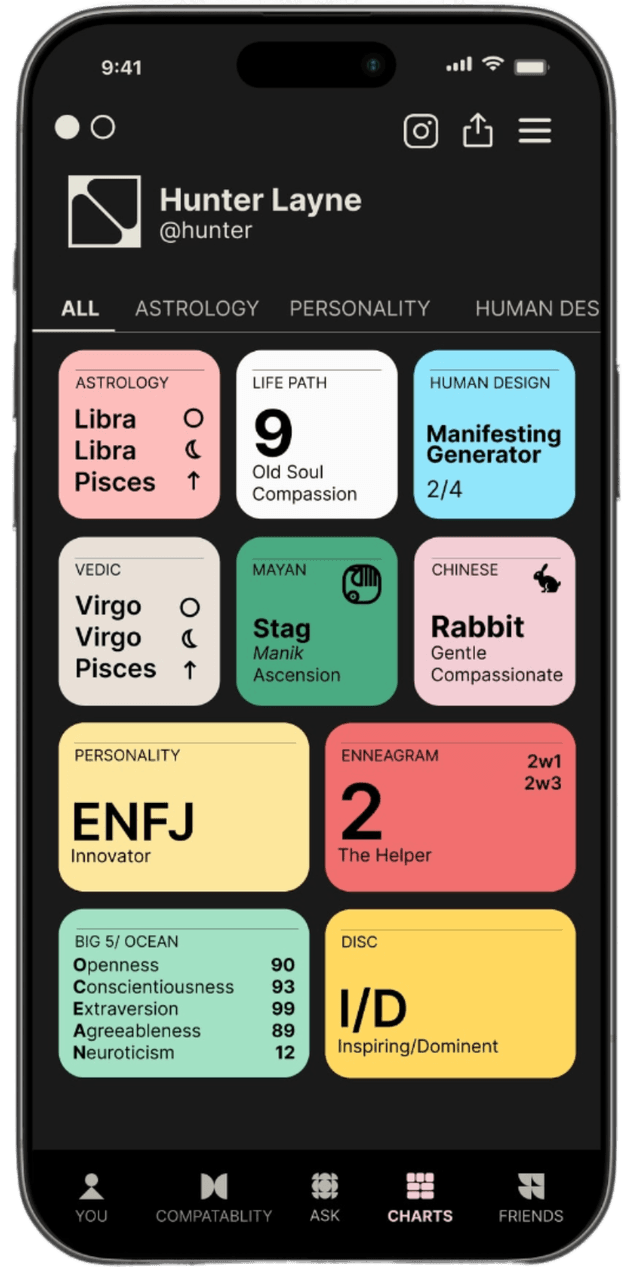
Mirror personality chart example showing MBTI, astrology, enneagram and more
✨ Trusted by 10,000+ users

Get Your Complete Personality Chart

Discover your full personality profile combining MBTI, astrology, enneagram, and 10+ other systems. Your chart is completely free, unlock AI insights and compatibility analysis with Mirror Pro.

⚡ Takes 2 minutes
🔒 100% Private
📊 Free Forever
✨ Pro features available

Explore Related Types