

Type 6 - The Loyalist
Cancer

Type 6 Cancer (The Loyalist): Complete Personality Guide

Discover the unique personality of Type 6 Cancer. Explore how The Loyalist's core motivations blend with Cancer's water energy for insights on strengths, challenges, career, and relationships.

Core Desire
To have security and support
Wings
6w5 / 6w7
Element
Water
Growth Direction
→ Type 9

Overview

If you’re an Enneagram 6 Cancer, life can feel like you’re always scanning two worlds at once: the outside world for risks, and the inside world for emotional weather. You’re the kind of person who can walk into a room, smile politely, and instantly know what’s “off.” Not because you’re dramatic or paranoid—because your whole system is built for protection. Type 6 brings the vigilance (“What could go wrong?”), and Cancer brings the emotional radar (“How is everyone feeling… and am I safe with them?”). Put them together and you get someone who is deeply loyal, deeply caring, and sometimes deeply tired from carrying so much responsibility in their heart.

At your best, Type 6 Cancer energy is like a warm house with strong locks. You want people to feel cared for, but you also want to know who has your back. Your core fear—being without support and guidance—doesn’t show up as simple neediness. It often shows up as a quiet habit of testing the waters: asking a question twice to see if the answer changes, noticing tone shifts, reading between the lines, remembering who showed up and who didn’t. Cancer is ruled by the Moon, and that lunar vibe makes your sense of safety more changeable than most. Some days you feel brave and steady; other days you feel like your nervous system is holding a meeting without you.

What’s unique about the Type 6 Cancer compared to other Sixes is how personal your security needs are. A more heady Six might focus on systems, logic, or authority; you focus on bonds. You don’t just want “support” in theory—you want it in a voice you recognize, a home base you can return to, a relationship where the emotional rules are clear. You may be the one who remembers birthdays, checks in after a hard day, notices when someone’s eating less, and quietly plans for emergencies no one else sees coming. You can be incredibly tenacious, too—Cancer doesn’t give up on people easily, and Type 6 doesn’t give up on commitments easily. That’s a lot of staying power.

But that same staying power can trap you when anxiety takes over. When you’re stressed, the Type 6 tendency is to look for certainty and reassurance, and Cancer adds a strong urge to retreat into your shell. You might “go quiet” instead of asking directly for what you need. Or you might seek reassurance in indirect ways—doing extra favors, being extra available, hoping someone will notice and respond with warmth. And if you don’t get that warmth, suspicion can kick in: *Did I do something wrong? Are they pulling away? Can I trust them?*

The heart of the Enneagram 6 Cancer experience is this: you want to feel safe enough to soften. Your core desire is security and support—but not cold, transactional security. You want the kind that feels emotionally real. When you’re healthy, you become the brave guardian you were meant to be: protective without being controlling, loyal without losing yourself, intuitive without spiraling. And when you learn to trust your inner guidance (not just external reassurance), you stop living like safety is something other people can give or take away. You start carrying it inside.
Ready to Discover Your Complete Profile?

Join 10,000+ people who've unlocked their full personality insights. Your chart is free forever.

Get Your Free Chart

Core Personality

The emotional strategist: head-type worry with Moon-ruled sensitivity

As an Enneagram 6 Cancer, your mind is a planner, but your heart is the steering wheel. Type 6 lives in the realm of anticipation—running scenarios, noticing patterns, preparing for the “just in case.” Cancer lives in the realm of feeling—protecting what’s tender, seeking belonging, and remembering emotional history. Together, they create a personality that doesn’t just think about safety; it *feels* safety. That’s why your anxiety can be so specific. It isn’t always about big dramatic disasters. Sometimes it’s about a text that sounds “different,” a friend who didn’t laugh the way they usually do, or a family member who seems distant.

You might be the person who keeps receipts—not to be petty, but because your memory is tied to emotional security. Cancer remembers how things felt, and Type 6 remembers what those feelings might *mean.* You’re often accurate about undercurrents, but you can also over-interpret when you’re tired or triggered. The gift is your intuition; the challenge is when intuition turns into constant vigilance.

A big inner question for the Type 6 Cancer is: *“Who is safe?”* Not just “Who is competent?” or “Who is right?” You want to know who will stay steady when emotions get real. That’s why you can look “soft” on the outside but be surprisingly discerning underneath.

Loyalty as a love language (and a survival skill)

Type 6 loyalty is famous, but Cancer loyalty is *devotional.* As a Type 6 Cancer, you don’t casually attach. You bond like you’re building a home. Once someone is “yours,” you protect them, advocate for them, and often anticipate their needs before they say them out loud. You might be the friend who keeps an extra charger, the partner who remembers their comfort food, the coworker who checks that everyone got home okay.

But loyalty has a shadow when it’s driven by your core fear. Sometimes you stay in situations longer than you should because leaving feels like losing your support system—even if that system isn’t actually supporting you. You may also struggle with the idea that someone could love you and still have moods, boundaries, or bad days. Cancer can take emotional shifts personally, and Type 6 can treat emotional shifts as evidence that something is unstable.

A helpful truth for the Enneagram 6 Cancer is: stability doesn’t mean “no change.” It means “repair is possible.” Healthy relationships include misunderstandings, but they also include coming back together.

How 6w5 vs 6w7 shows up in Cancer energy

Both wings can exist in the Type 6 Cancer world, but they feel different—like two different coping styles for the same need.

If you’re a 6w5 Cancer, you tend to protect yourself through knowledge, privacy, and careful observation. You might research everything—health symptoms, relationship patterns, financial planning, home security, pet care. You feel calmer when you understand the system. Cancer makes this less “cold scientist” and more “quiet protector.” You may not announce your worries; you handle them behind the scenes. You can look calm while your mind is building a detailed safety plan.

If you’re a 6w7 Cancer, you protect yourself through connection, humor, and keeping things moving. You may be more socially active and more expressive about your needs. You might check in often, plan gatherings, and create a “family vibe” wherever you go. Cancer adds sweetness and emotional warmth, but the wing 7 influence can also make you avoid sitting still with fear. You may distract yourself with busyness—planning, organizing, hosting, helping—until you’re exhausted.

Both wings share the same core desire for support. The difference is how you try to *secure it*: 6w5 builds a bunker of competence; 6w7 builds a web of relationships.

Authority, trust, and the Cancer need for a “home base”

Type 6 has a complicated relationship with authority: you can seek it, question it, test it, or rebel against it—sometimes all in the same day. Cancer adds another layer: you don’t just ask, “Is this authority correct?” You ask, “Is this authority caring? Is it safe? Does it protect people?” That’s why you might respect leaders who are steady and humane, and distrust leaders who are unpredictable, cold, or image-obsessed.

As a Type 6 Cancer, you often become an authority in the areas that matter to your loved ones. Maybe you’re the one who knows the best doctor, the safest neighborhood, the most reliable car, the healthiest meals, the emergency contacts, the family history. You create a home base not only in a literal home, but in routines and rituals: Sunday dinners, bedtime check-ins, annual traditions, small repeated acts that tell your nervous system, *“We’re okay.”*

When you’re not grounded, you may outsource your trust too much—needing constant reassurance from a partner, friend, mentor, or even the internet. The deeper growth move for the Enneagram 6 Cancer is learning to become your own steady base: to trust your instincts without turning them into panic, and to let support be something you receive—not something you earn through worry.

Strengths

1) Protective loyalty that people can actually feel

As a Type 6 Cancer, your loyalty isn’t just a promise—it’s a presence. People feel safer around you because you don’t treat relationships like they’re disposable. You remember details, follow through, and show up when it’s inconvenient. When someone is going through something heavy, you don’t vanish. You check in, bring food, offer rides, handle logistics, and keep their dignity intact.

Water energy adds emotional intelligence to Type 6 devotion. You’re not only loyal in action; you’re loyal in tone. You know how to comfort without making it about you, and that’s rare.

2) Emotional radar that catches problems early

The Moon-ruled Cancer side gives you a strong sense of emotional shifts—sometimes before anyone else names them. Combined with Type 6 pattern-recognition, you can catch issues early: a relationship that’s drifting, a workplace tension that’s brewing, a friend who’s not okay.

In a healthy Enneagram 6 Cancer, this becomes a quiet superpower. You help people address things while they’re still manageable. You’re often the reason a small crack doesn’t become a full collapse.

3) Steadiness in crisis (even if you worry beforehand)

You might worry for days about a worst-case scenario, but when something actually happens, many Type 6 Cancer people get weirdly calm. It’s like your nervous system says, *“Finally—something real to do.”* You’re the one making calls, organizing plans, taking care of pets, checking on family, and keeping everyone fed.

Cancer adds caretaking instincts, so your crisis-competence isn’t cold efficiency—it’s protective warmth. People remember how you made them feel safe.

4) Deep commitment to home, family, and chosen family

Whether “family” is your relatives or your closest friends, Enneagram 6 Cancer energy builds belonging. You create traditions, inside jokes, and rituals. You’re often the one who keeps the group connected over time.

This strength matters more than people admit. In a world where everyone is busy and distracted, you’re the glue. You make it easier for others to stay human.

5) Practical nurturing: caring that turns into real help

You don’t just say, “Let me know if you need anything.” You show up with specifics: “I can watch your kids on Tuesday,” “I made extra soup,” “I found three therapists that take your insurance,” “I’ll sit with you at the appointment.”

That’s a classic Type 6 Cancer gift: you translate empathy into action. Water gives you compassion; Type 6 gives you follow-through.

6) Strong moral compass and protective advocacy

Many Type 6 Cancer folks have a fierce sense of what’s right—especially when it comes to protecting vulnerable people. You’re not always loud about it, but you’re consistent. You’re the person who notices who’s being excluded, who’s being spoken over, who’s being treated unfairly.

Cancer makes your advocacy personal and heartfelt. Type 6 makes it principled and persistent. When you speak up, it’s usually because you’ve thought it through and you mean it.

7) Reliability that builds real trust over time

People often trust you because you’re predictable in the best way. You do what you say you’ll do. You keep your promises. You keep secrets. You take responsibility seriously.

For an Enneagram 6 Cancer, reliability is a love language. It’s also how you build the secure life you crave: one honest action at a time.

8) Strong intuition for safe people and safe spaces

Cancer is naturally selective, and Type 6 is naturally discerning. Together, you often have good instincts about who is stable and who is chaos disguised as charm. You might not always act on your first instinct (especially if you’re trying to be “nice”), but you usually *feel* the truth early.

As you mature, Type 6 Cancer intuition becomes less about suspicion and more about wisdom: you learn to trust your read without needing to prove it to everyone.

9) Persistence and tenacity when something matters

If you care, you don’t quit. That’s one of the most underrated Enneagram 6 Cancer strengths. You’ll work through hard seasons, learn new skills, apologize when needed, and keep rebuilding. Cancer gives you emotional endurance; Type 6 gives you grit.

This is especially powerful in long-term goals like saving money, raising a family, building a career, healing from trauma, or repairing relationships.

10) A comforting presence that helps others regulate

Even when you’re anxious inside, you often know how to soothe others: your voice, your warmth, your attention to comfort. You understand what makes a space feel safe—lighting, food, tone, timing, gentleness.

The healthy Type 6 Cancer becomes a “nervous system ally” to the people around them. You help others come back to themselves.

Challenges & Growth Areas

1) Anxiety that turns into constant scanning

For a Type 6 Cancer, anxiety can feel like it lives in your body, not just your thoughts. You might scan for signs of rejection, mood shifts, or potential conflict. This comes straight from the core fear: being without support and guidance. If you can predict problems, you won’t be blindsided.

Growth move: name what’s happening in simple language—*“I’m scanning because I don’t feel safe.”* Then do one grounding action before you seek reassurance (a walk, water, breath, a short journal entry).

2) Suspicion that tests relationships

When you’re not sure where you stand, you might test people without meaning to—pulling back to see if they chase, hinting instead of asking, or replaying conversations to find proof.

This is common in Enneagram 6 Cancer dynamics because Cancer wants emotional certainty and Type 6 wants relational security. Growth move: practice direct requests. “Can you reassure me about where we stand?” sounds vulnerable, but it’s cleaner than silent testing.

3) Taking things personally (especially tone)

Cancer sensitivity means tone can hit harder than words. A partner’s short reply can feel like abandonment; a friend’s delayed text can feel like danger. Type 6 adds meaning-making: *“Something must be wrong.”*

Growth move: create a “three explanations” habit. Before assuming the worst, list three possible reasons—only one of which is about you.

4) Over-responsibility and emotional labor overload

You may become the caretaker who quietly does everything, then feels resentful that no one notices. Type 6 wants to secure belonging through usefulness; Cancer wants to keep the home base stable.

Growth move: ask for shared responsibility early. If you wait until you’re burned out, you’ll ask from anger. Practice: “I can do X, but I need you to do Y.”

5) Retreating into the shell instead of addressing conflict

When hurt, Type 6 Cancer energy can withdraw, go quiet, or become indirect. You might replay the situation internally instead of talking it through.

Growth move: gentle confrontation. Use a soft opener: “I’m feeling tender about something, and I want to clear it up.” This keeps you connected without forcing you to be harsh.

6) Stress arrow to Type 3: proving, performing, and image-worry

Under stress, Type 6 can move toward Type 3 behaviors—overworking, people-pleasing, trying to look competent so you can’t be rejected. For a Enneagram 6 Cancer, this can look like becoming the “perfect partner,” “perfect employee,” or “perfect friend” while quietly panicking.

Growth move: notice when you’re chasing approval as a substitute for safety. Ask: *“If I didn’t have to earn love today, what would I choose?”*

7) Difficulty trusting your own inner authority

You might seek reassurance from others, researching endlessly, or needing someone else to confirm your choices. Cancer adds emotional doubt: “What if my feelings are too much?”

Growth move: make small decisions without consulting anyone (what to eat, what to wear, what task to do first) and let your body learn, *“I can guide myself.”*

8) Holding on too long to what used to feel safe

Cancer is nostalgic, and Type 6 is loyal. That can make it hard to leave jobs, relationships, or roles that once offered security—even if they don’t anymore.

Growth move: update your definition of safety. Safety is not just familiarity; it’s consistency, respect, and repair. Let the past be real without letting it run your life.

Career & Work

What you need at work to feel secure and do your best

As a Type 6 Cancer, you thrive when your workplace feels steady, humane, and clear. You want to know what’s expected, who’s responsible for what, and how decisions are made. You’re not asking for perfection—you’re asking for predictability and emotional safety.

A good environment for an Enneagram 6 Cancer usually includes:

  • A consistent manager (not moody, not chaotic)
  • Clear policies and procedures
  • A team culture where people actually care about each other
  • Work that has real purpose (helping, protecting, supporting)
  • Enough structure that you’re not constantly guessing

You often do best when you can become a trusted “pillar” in a system—someone people rely on.

Your natural work style: dependable, intuitive, and quietly strategic

You’re likely the person who double-checks details, anticipates problems, and thinks about how changes will affect people. Cancer adds a nurturing touch: you remember coworkers’ stress points and try to reduce them.

As a Type 6 Cancer, you may prefer:

  • A stable schedule (or at least stable expectations)
  • A role with a clear mission
  • Time to build trust with your team
  • Work that lets you protect or support others

You may struggle with:

  • Constant reorgs
  • Leaders who change their mind daily
  • Cutthroat competition
  • Roles where you’re punished for having feelings

Job titles that often fit (15+), and why

Here are careers many Enneagram 6 Cancer people enjoy because they combine security, service, and meaningful connection:

  1. Registered Nurse — protective caregiving, clear protocols, meaningful impact
  2. Social Worker — advocacy, human connection, structured systems of support
  3. Therapist / Counselor — emotional safety-building, trust-based work
  4. School Counselor — guiding and protecting kids, consistent routines
  5. Teacher (especially elementary/middle) — nurturing leadership, community building
  6. Human Resources Specialist — policy, fairness, employee support
  7. Patient Advocate — guiding people through confusing systems
  8. Case Manager — organizing support, follow-through, relationship-based help
  9. Nonprofit Program Coordinator — mission-driven structure, community care
  10. Operations Coordinator — planning, risk reduction, keeping systems stable
  11. Project Manager — anticipating issues, building timelines, team accountability
  12. Compliance Officer — protecting the organization and people through rules
  13. Quality Assurance Specialist — catching problems early, improving safety
  14. Financial Planner / Budget Coach — creating security for others and yourself
  15. Insurance Agent (ethical, service-oriented) — helping people prepare for worst-case scenarios
  16. Paralegal — detail work, structure, supporting justice
  17. Administrative Manager — keeping the “home base” of a workplace running
  18. Librarian — calm environment, service, community stability
  19. Childcare Center Director — protection, routines, emotional care
  20. Public Health Coordinator — prevention, community well-being, systems thinking

Not every Type 6 Cancer wants a “helping” job, but most want to feel their work makes life safer, steadier, or kinder.

Industries that tend to feel supportive

Many Enneagram 6 Cancer people do well in industries where structure and care are built in:

  • Healthcare and wellness
  • Education
  • Government and public service
  • Nonprofits and community organizations
  • Finance (especially planning and risk management)
  • Legal support roles
  • Operations and logistics (when leadership is stable)

Cancer’s Water element tends to prefer environments that feel relational—not emotionally cold. You can work in corporate spaces, but you’ll want at least one “safe person” and a culture that doesn’t shame sensitivity.

What to avoid (or approach carefully)

Some roles can trigger the Type 6 Cancer core fear by making support unpredictable:

  • Highly commission-based sales with unstable income
  • Jobs with constant public judgment (unless you have strong emotional support)
  • Workplaces where gossip and passive aggression are normal
  • Startups with no structure and shifting priorities
  • Leadership that uses fear or shame to motivate

This doesn’t mean you can’t succeed there. It means your nervous system will pay a higher price.

How to grow professionally without burning out

Because stress can push you toward Type 3 behaviors, a Type 6 Cancer can end up over-performing to feel secure. You might take on too much, become indispensable, and then feel trapped.

Professional growth practices that help:

  • Define your role clearly (what’s yours vs. not yours)
  • Track your accomplishments privately so you don’t need constant external validation
  • Build a small circle of trusted mentors (quality over quantity)
  • Ask for feedback on a schedule (monthly/quarterly) instead of seeking reassurance daily
  • Practice being “good enough” without over-explaining

You don’t need to prove you deserve stability. You build stability by respecting your limits.

Relationships

Romantic relationships: you love with devotion, not half-measures

As a Type 6 Cancer, you tend to love in a way that’s protective and serious. You’re not always the fastest to trust, but once you do, you’re all in. You want emotional closeness, loyalty, and a sense that you and your partner are a team.

Your biggest relationship need is consistent reassurance—not necessarily constant compliments, but steady signals: honesty, routine, follow-through, and repair after conflict. When you don’t get that, your mind can fill in the blanks.

Healthy tip for the Enneagram 6 Cancer: ask for reassurance directly and early, before anxiety grows teeth.

Attachment and trust: your “tests” are really requests

When you feel uncertain, you might test without meaning to: withdrawing to see if they notice, asking the same question repeatedly, or bringing up “hypotheticals” to gauge loyalty.

Underneath, the request is simple: *“Please show me you’re here.”* If you can name that vulnerability, your relationships get easier. You don’t have to become less sensitive—you just become more direct.

Communication style: gentle, intuitive, but sometimes indirect

Cancer energy often communicates through tone, mood, and subtle cues. Type 6 may hesitate to say the full truth if it could cause conflict. So you might hint, soften, or wait.

What helps: “clear and kind” language.

  • “When you didn’t text back, I felt anxious and made up stories. Can you tell me what happened?”
  • “I need a little extra reassurance this week.”
  • “Can we make a plan for how we handle conflict?”

That last one is especially powerful for a Type 6 Cancer because agreements create safety.

Friendships: the steady friend who remembers everything

In friendship, you’re the one who checks in, keeps traditions alive, and defends your people. You might have fewer friends than others, but your bonds run deep.

One growth edge for the Enneagram 6 Cancer is letting friendships be imperfect. Not every friend will love the way you love, and that doesn’t always mean they don’t care. Look for patterns, not one-off moments.

Family dynamics: protector, peacekeeper, and emotional historian

Many Type 6 Cancer people end up in a family role where they manage emotions—keeping the peace, anticipating needs, buffering conflict. You might feel responsible for everyone’s stability.

Growth move: step out of the “family security system” role. You’re allowed to have needs too. You don’t have to earn your place by being the responsible one.

Compatibility with other Enneagram types (and what you need)

Compatibility is less about “best match” and more about emotional safety and repair.

  • With Type 9, you may feel soothed by their calm. Growth happens when you both address conflict instead of avoiding it.
  • With Type 2, there’s mutual caretaking, but you’ll need boundaries so it doesn’t become emotional over-functioning.
  • With Type 8, you may feel protected—or overwhelmed. Clear agreements and respectful tone are key.
  • With Type 5, you may appreciate their steadiness, but you’ll need emotional responsiveness, not just logic.
  • With Type 3 (especially when you’re stressed), watch for performing instead of connecting.

The healthiest Type 6 Cancer relationships are built on consistent actions, honest conversations, and the willingness to repair. Your growth arrow toward Type 9 reminds you: peace isn’t something you earn by worrying—it’s something you practice by staying present.

See How You Connect With Others

Create your free personality chart and unlock compatibility insights with anyone.

Get Your Free Chart

Personal Growth

Moving toward Type 9: from vigilance to inner peace

Your growth path as an Enneagram 6 Cancer leads toward Type 9 qualities: groundedness, trust in the flow of life, and a calmer relationship with uncertainty. This doesn’t mean you stop caring. It means you stop living like fear is your only protection.

Type 9 energy teaches you that safety can be internal. Cancer teaches you that emotions move like tides. Together, your growth is learning to ride the tide without assuming it means disaster.

1) Build an “inner home base” (so you don’t outsource safety)

Actionable practices:

  1. Create a 10-minute daily reset ritual (same time if possible): tea/water, stretch, quick tidy, one calming song.
  2. Write a “proof of support” list: people who have shown up, times you survived hard things, resources you can access.
  3. Choose one grounding object (stone, bracelet, scent) that signals safety to your body.

Reflection questions:

  • Where do I seek reassurance instead of self-trust?
  • What does “supported” feel like in my body?

This is especially important for a Type 6 Cancer because your nervous system learns through repetition.

2) Practice direct reassurance requests (without shame)

Actionable practices:

  1. Use the sentence: “I’m feeling anxious and I need reassurance about ___.”
  2. Ask for predictable connection: “Can we do a weekly check-in?”
  3. If you want clarity, ask once clearly instead of hinting three times.

Reflection questions:

  • What am I afraid will happen if I ask directly?
  • Do I believe my needs are a burden—or a bridge?

Directness is not aggression. For an Enneagram 6 Cancer, it’s emotional leadership.

3) Work with the body (Cancer is watery—your body holds the tide)

Actionable practices:

  1. Name the sensation (tight chest, buzzing, stomach drop) before you name the story.
  2. Try 4-7-8 breathing or box breathing for 2 minutes.
  3. Do a water ritual: shower, bath, face rinse, or even washing dishes mindfully to calm your system.

Reflection questions:

  • What does my anxiety feel like physically?
  • What helps my body feel safe quickly?

For the Type 6 Cancer, calming the body often calms the mind faster than logic does.

4) Update your “threat detection” with reality checks

Actionable practices:

  1. Use the three explanations rule (only one can be about you).
  2. Ask: “What do I know for sure?” vs. “What am I guessing?”
  3. Set a worry window (15 minutes) and contain spirals to that time.

Reflection questions:

  • What pattern am I projecting from the past?
  • Is this a current issue or an old wound?

This helps the Enneagram 6 Cancer separate intuition from fear.

5) Stress awareness: catching the Type 3 slide early

When you slide toward Type 3 in stress, you may start performing for safety—overworking, perfecting, trying to look unshakeable.

Actionable practices:

  1. Notice the sign: urgency + image management (“I have to prove I’m okay”).
  2. Do one “small honest thing” daily: admit you’re tired, ask for help, say no.
  3. Replace proving with connecting: send one real message to a safe person.

Reflection questions:

  • What am I trying to earn right now?
  • If I believed I was already enough, what would change today?

A grounded Type 6 Cancer doesn’t need to impress people into staying.

6) Integration habits that create peace (Type 9 medicine)

Actionable practices:

  1. Single-task for 20 minutes (no multitasking). This trains present-moment safety.
  2. Conflict repair script: “I care about us. Can we reset and talk about what happened?”
  3. Boundary practice: choose one small boundary weekly (time, money, emotional labor).
  4. Let someone else help you once a week without correcting how they do it.
  5. Monthly “home base” check: sleep, food, finances, friendships, environment—what needs care?

Reflection questions:

  • What would peace look like if it were practical?
  • Where am I holding tension that I could release?

As an Enneagram 6 Cancer, your goal isn’t to stop being vigilant forever. Your goal is to become so internally supported that vigilance becomes a tool you use—not a place you live.

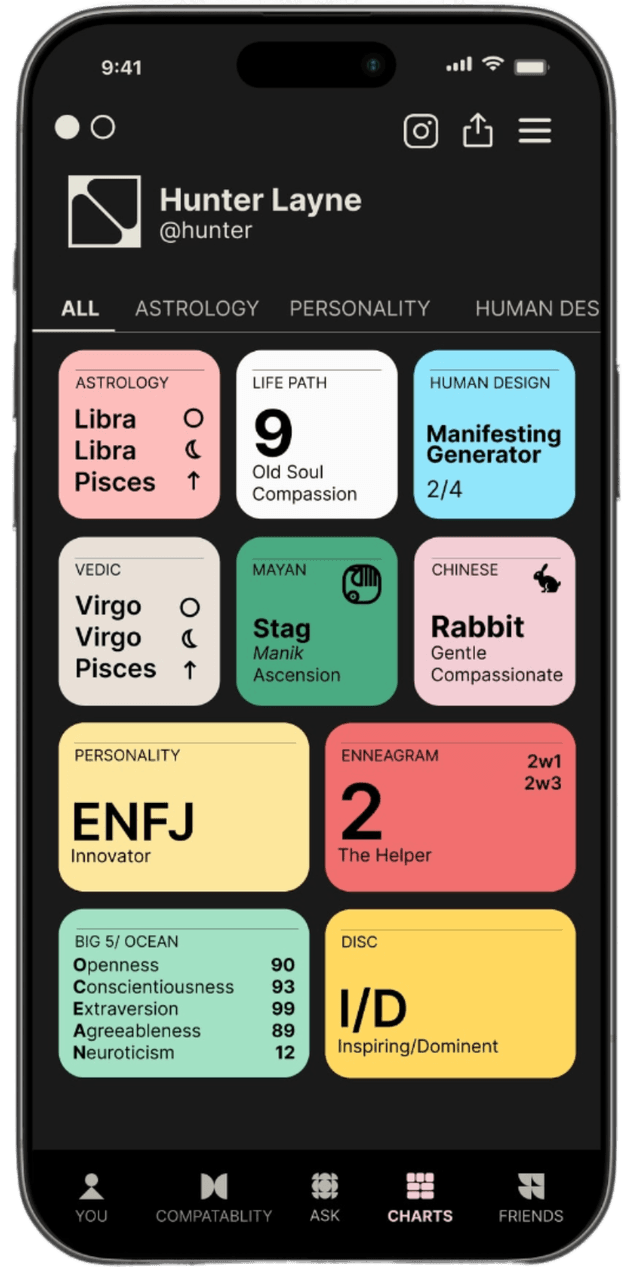
Mirror personality chart example showing MBTI, astrology, enneagram and more
✨ Trusted by 10,000+ users

Get Your Complete Personality Chart

Discover your full personality profile combining MBTI, astrology, enneagram, and 10+ other systems. Your chart is completely free, unlock AI insights and compatibility analysis with Mirror Pro.

⚡ Takes 2 minutes
🔒 100% Private
📊 Free Forever
✨ Pro features available

Explore Related Types